Last Updated on July 31, 2023 by admin
Introduction
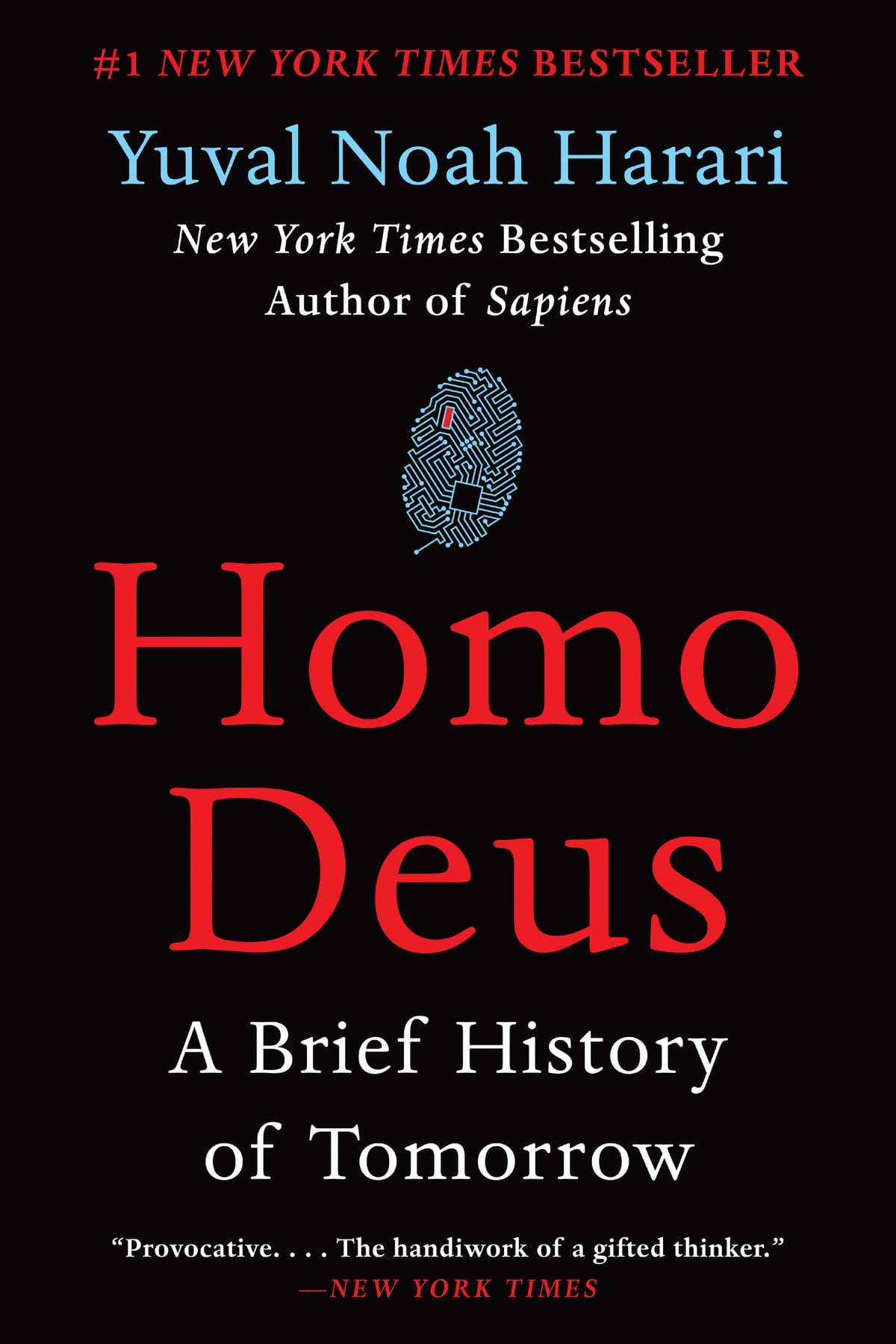
Are you curious about what the future of humanity might look like? Yuval Noah Harari‘s book, “Homo Deus: A Brief History of Tomorrow,” provides a compelling outlook on this subject.
Our blog post will give you a summary and review of this pivotal book, exploring key themes such as human evolution and our shared destiny. So let’s dive into the fascinating world of Homo Deus!
Key Takeaways
- “Homo Deus: A Brief History of Tomorrow” explores the evolution of humans from Homo sapiens to Homo Deus and discusses our potential for happiness, immortality, and god-like powers in the 21st century.
- The book highlights the power of storytelling as a key source of human strength, uniting diverse groups and establishing cooperation on unprecedented scales.
- Harari challenges the dominant narrative of humanism by envisioning a future where algorithms and artificial intelligence surpass human capabilities, reshaping our understanding of power, happiness, and societal organization.
- The book raises thought-provoking questions about what it means to be human in a world dominated by algorithmic decision-making and explores potential narratives that involve algorithms replacing humans.
Homo Deus Summary

In “Homo Deus: A Brief History of Tomorrow,” Yuval Noah Harari explores the evolution of humans from Homo sapiens to Homo Deus, discussing our potential to strive for happiness, immortality, and god-like powers in the 21st century.
Stories as the source of human strength
In “Homo Deus: A Brief History of Tomorrow”, author Yuval Noah Harari underscores the unique ability of humans to weave and believe in stories as a key source of our strength. This capability, he argues, sets us apart from other species and has facilitated Homo sapiens’ ascendancy on our planet.
Stories have been paramount in uniting diverse groups and establishing cooperation on unprecedented scales – critical components to human survival and dominance. More than physical prowess or technology, it is our shared narratives that have allowed us to create complex societies, defining laws, structures, ideologies, even attributing meanings to otherwise random events.
Humanity’s power lies not just in intelligence or tool-making but predominantly in this exceptional capacity for collective belief in abstract concepts woven into compelling stories.
Dominance of humanism as the current narrative
Currently, humanism is the prevailing narrative that shapes our society and worldview. Humanism emphasizes the worth and potential of individual humans, focusing on human values, rights, and achievements.
It places humans at the center of the universe and sees us as the most significant beings in existence. This belief in human superiority has guided our progress and development over centuries.
However, “Homo Deus” challenges this dominant narrative by envisioning a future where algorithms and artificial intelligence take center stage, potentially surpassing humans’ capabilities.
Future narratives involving algorithms and potential replacement of humans
In “Homo Deus: A Brief History of Tomorrow,” Yuval Noah Harari explores the future narratives that could involve algorithms and potentially replace humans. The book delves into the concept of an upgraded human species called Homo Deus, who have god-like powers and mastery over their environment.
Harari raises questions about what it means to be human in a world where algorithmic decision-making becomes dominant. He discusses how artificial intelligence and technological advancements may shape our society and potentially lead to the replacement of humans by intelligent machines.
This thought-provoking exploration of the future challenges us to consider the potential consequences of these societal shifts and what it means for our existence as Homo sapiens.
Homo Deus Review
Harari’s ideas in “Homo Deus” are chilling and thought-provoking, raising important questions about the future of humanity and the potential consequences of societal shifts.
Chilling implications of Harari’s ideas
Harari’s ideas in “Homo Deus” present a chilling view of the future that may leave readers both intrigued and disturbed. His exploration of humanity’s potential evolution into godlike beings raises important questions about the consequences of such a transformation.
The book delves into topics such as artificial intelligence, transhumanism, and the ethical implications of technological progress. Harari paints a vivid picture of a future where humans may lose control over their own lives, replaced by algorithms and machines.
This thought-provoking perspective forces us to confront our own aspirations for power and immortality, while also making us reconsider the very essence of what it means to be human in an increasingly technologically advanced world.
Recommended audience for the summary
Curious readers who are interested in exploring the future of humanity and the potential impact of technological advancements on society would find this summary of “Homo Deus: A Brief History of Tomorrow” by Yuval Noah Harari intriguing.
The book delves into thought-provoking ideas about our goals, aspirations, and the evolution of Homo sapiens into Homo Deus. By examining the present humanist society and predicting future narratives involving algorithms and potential replacement of humans, Harari raises important questions about the consequences and implications for our lives as we know them.
For those seeking a captivating exploration of the future with philosophical considerations, this summary provides a concise overview along with key takeaways and quotes from the book.
Key Takeaways and Quotes from Homo Deus
In “Homo Deus: A Brief History of Tomorrow,” Yuval Noah Harari explores the future of humanity and offers key takeaways that include the new human agenda, Homo sapiens’ conquest of the world, giving meaning to the world, and the loss of control by Homo sapiens.
The new human agenda
In “Homo Deus: A Brief History of Tomorrow,” Yuval Noah Harari explores the idea of a new human agenda for the future. As we continue to evolve, our desires shift from survival struggles to seeking happiness, immortality, and godlike powers.
Harari examines how advancements in technology and artificial intelligence could potentially grant us these abilities. He raises thought-provoking questions about the consequences of such a transformation and urges us to consider what it means for our society and our personal evolution as humans.
This book is a must-read for curious readers who are interested in the future of humanity and the ethical implications of technological progress.
Homo sapiens’ conquest of the world
In “Homo Deus: A Brief History of Tomorrow,” Yuval Noah Harari explores the concept of Homo sapiens’ conquest of the world. The book examines how humans have evolved to become the dominant species on Earth through their ability to create stories and cooperate in large numbers.
Harari highlights that our success as a species can be attributed to our storytelling abilities, which have allowed us to organize ourselves into complex societies and overcome survival struggles.
This exploration delves into the impact of human dominance on the planet and raises important questions about our responsibility as stewards of the Earth. It offers readers a fascinating perspective on how we came to be where we are today and what lies ahead for humanity in an ever-changing world.
Giving meaning to the world
One of the key themes explored in “Homo Deus” is the concept of humans giving meaning to the world. As Homo sapiens, we have been largely responsible for shaping and determining our own destinies.
We have created stories, beliefs, and ideologies that have given purpose and direction to our lives. However, with the advent of technology and potential advancements in artificial intelligence, there is a possibility that humans may lose their grip on this crucial aspect.
The book raises thought-provoking questions about whether algorithms and machines will eventually replace humans as the source of meaning in the world. It challenges us to consider what it means for our identity and purpose if we are no longer at the center of creating narratives that give significance to our existence.
Loss of control by Homo sapiens
In “Homo Deus: A Brief History of Tomorrow,” Yuval Noah Harari explores the future of humanity and raises chilling questions about our control over our own destiny. According to Harari, Homo sapiens (wise humans) may lose their dominance as technology advances and algorithms become more capable than humans in making decisions.
This loss of control by Homo sapiens poses significant challenges for our society and raises important ethical implications. As we increasingly rely on artificial intelligence and technological advancements, it’s crucial to consider how these changes will impact our lives and what it means for the future of humanity.
The book offers a thought-provoking insight into the potential consequences of relinquishing control to algorithms and calls for critical reflection on the path we are heading towards.
Further Exploration of Homo Deus
In this section, we will delve into further exploration of “Homo Deus” by providing related articles and resources, as well as discussing the scholarly reception of the book.
Related articles and resources
- “The Post-Human World: Life at the Edge of Technology” by Zoltan Istvan – an article discussing the potential future of humanity and the ethical considerations of transhumanism and posthumanism.
- “How Artificial Intelligence Is Reshaping Human Ethics” by Tim Urban – an essay exploring the implications of artificial intelligence on human decision-making and moral values.
- “The End of Human Suffering: 10 Big Predictions for the Next Century” by David Wood – an article presenting various predictions for the future, including advancements in technology and their impact on human well-being.
- “The Future of Work: How Automation Will Affect Jobs” by Martin Ford – a book that examines how automation and technological advancements will shape the job market and society as a whole.
- “The Fourth Industrial Revolution” by Klaus Schwab – a book that discusses the major technological innovations currently taking place and their potential effects on society.
- “Homo Deus Book Club Questions & Discussion Guide” by BookBundlz – a resource providing discussion questions to engage readers in deeper conversations about the themes and ideas presented in “Homo Deus.”
- The official website of Yuval Noah Harari – a valuable resource for accessing additional information about the author, his other works, interviews, and lectures.
Note: The above articles, books, and resources offer different perspectives on the topics discussed in “Homo Deus.” They provide readers with further opportunities to explore related concepts, expand their understanding, and engage in critical thinking about the future of humanity.
Scholarly reception
Scholars and experts have provided mixed reviews of “Homo Deus: A Brief History of Tomorrow.” Some praise its thought-provoking exploration of the future of humanity and its ability to raise important questions about our goals and aspirations.
They appreciate how Yuval Noah Harari challenges traditional notions and offers new perspectives on human evolution and technological advancements. However, others criticize the book for its speculative nature and lack of evidence to support some claims.
Despite these critiques, “Homo Deus” has sparked scholarly discussions around the implications of artificial intelligence, transhumanism, and the ethical considerations of technological progress.
Conclusion
In “Homo Deus: A Brief History of Tomorrow,” Yuval Noah Harari presents a thought-provoking exploration of the future of humanity. With its engaging narrative and compelling arguments, the book challenges readers to reconsider their assumptions about human progress and contemplate the potential consequences of our technological advancements.
Whether you’re interested in philosophy, futurism, or simply curious about what lies ahead for humanity, “Homo Deus” offers a fascinating journey into the possibilities that await us in tomorrow’s world.
FAQs
1. What is “Homo Deus: A Brief History of Tomorrow” about?
“Homo Deus: A Brief History of Tomorrow” by Yuval Noah Harari explores the future of human evolution and civilization, discussing topics such as artificial intelligence, biotechnology, and the impact of technological advancements on society.
2. Can you provide a summary of “Homo Deus: A Brief History of Tomorrow”?
In “Homo Deus,” Yuval Noah Harari examines the potential paths that humanity may take in the future. He delves into topics like the rise of technology and its implications for human life, exploring concepts such as immortality, happiness, and power dynamics in this new era.
3. Are there any notable quotes from “Homo Deus: A Brief History of Tomorrow”?
While we cannot provide specific quotes here, “Homo Deus” contains numerous thought-provoking statements about the future trajectory of humanity. These quotes offer insights into Harari’s perspective on how technology may reshape our society and individual experiences.
4. What are some key takeaways from “Homo Deus: A Brief History of Tomorrow”?
Some key takeaways from “Homo Deus” include an examination of humanity’s transition from focusing on survival to seeking immortality and happiness; insights into the potential dangers posed by advanced technologies; and reflections on how social structures may evolve alongside technological advancements in the coming years.